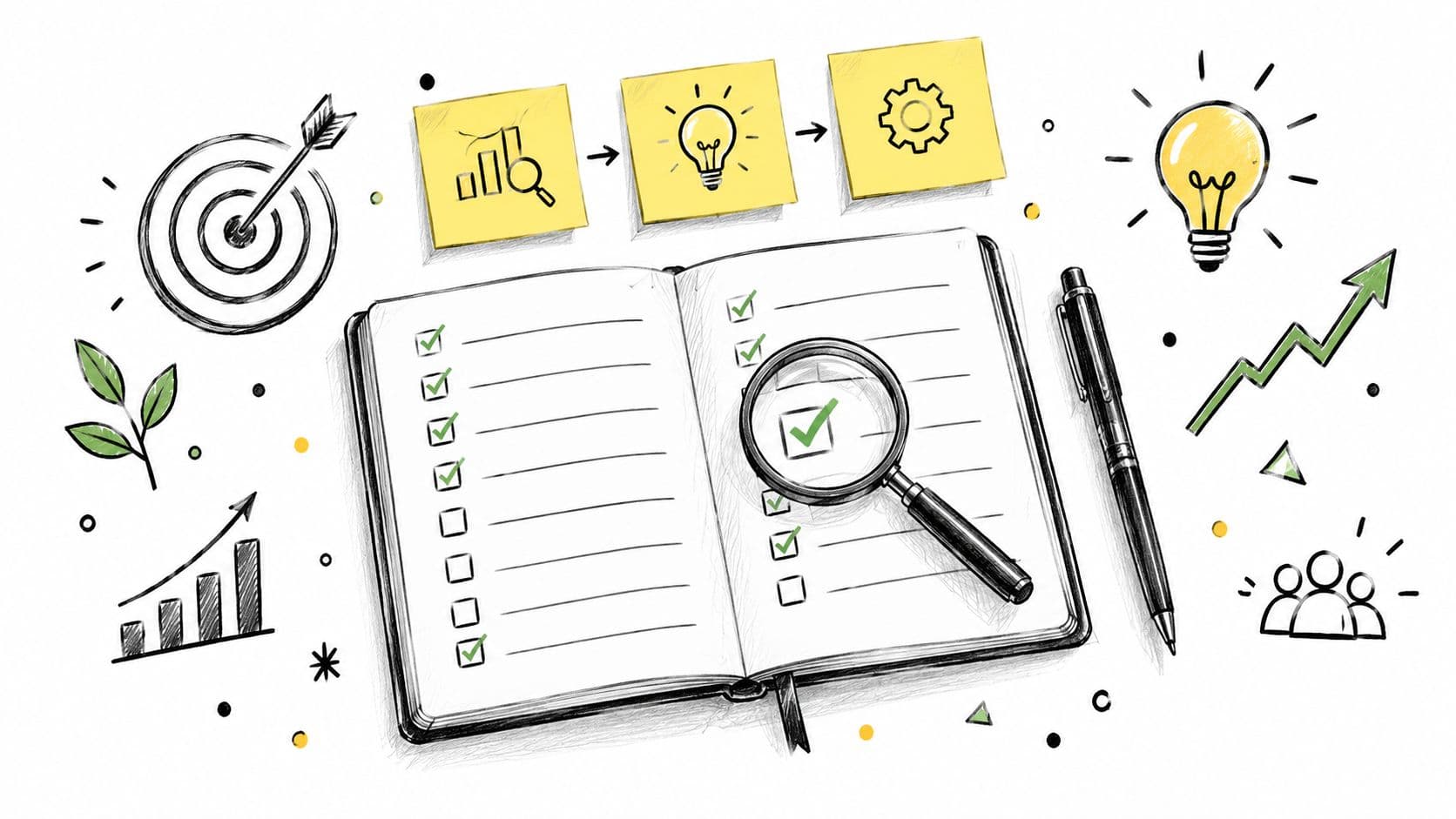
Learn how to prioritize tasks effectively with proven frameworks. This guide offers actionable strategies for professionals to boost productivity and focus.
January 12, 2026 (8d ago)
How to Prioritize Tasks Effectively: A Modern Guide
Learn how to prioritize tasks effectively with proven frameworks. This guide offers actionable strategies for professionals to boost productivity and focus.
← Back to blog
How to Prioritize Tasks Effectively: A Modern Guide
Summary: Learn how to prioritize tasks effectively with proven frameworks. This guide offers actionable strategies for professionals to boost productivity and focus.
Introduction
If you want to take control of your workload, start by stopping the confusion between what’s urgent and what’s important. That single shift moves you from reacting to distractions to working deliberately on the outcomes that matter most. This guide explains four proven prioritization frameworks, shows how to apply them in a practical workspace, and gives simple habits to make prioritization stick.
Why Your To-Do List Is Overwhelming You
That long, scrolling to-do list isn’t a productivity tool, it’s a stress generator. Many busy professionals, freelancers, and teams use unstructured lists that create more chaos than clarity, pushing them toward burnout instead of progress. When a list grows unchecked, decision fatigue sets in. Your brain looks for the easiest path to a quick win, so you default to small, low-impact tasks and feel busy without moving your goals forward.
This pattern leads to analysis paralysis. You may feel like you’re doing a lot, but you’re not doing what matters. Poor task prioritization also has a large economic impact: global disengagement and wasted effort cost the economy at scale1. The real issue is the lack of a system—research shows many professionals don’t use a formal time-management framework, which leaves them spending hours on low-value work instead of their highest priorities2.
The answer isn’t a longer list or more hours. It’s a strategic framework that brings order to the chaos and gives purpose to your day.
Choosing the Right Prioritization Framework for You
The goal isn’t to find one perfect method. It’s to build a toolkit of frameworks you can pick from depending on the situation. Below are four reliable methods you can start using today.

The Eisenhower Matrix: Urgent vs. Important
Popularized by Dwight D. Eisenhower, this method separates tasks into four quadrants so you can act with clarity:
- Do First (Urgent and Important): Critical deadlines and fires that must be handled now.
- Schedule (Important, Not Urgent): Work that drives long-term results, like planning and skill building.
- Delegate (Urgent, Not Important): Tasks that need attention but not necessarily your expertise.
- Delete (Not Urgent and Not Important): Low-value distractions that should be removed.
This method is ideal for leaders and anyone who’s frequently pulled in many directions. It helps you cut through noise and focus on what truly moves the needle.
The ABCDE Method for Daily Planning
Created by Brian Tracy, the ABCDE method helps you win the day by ranking tasks by consequence:
- A: Must-do tasks with serious negative consequences if not completed.
- B: Important but less urgent tasks with mild consequences.
- C: Nice-to-do tasks with no real consequences.
- D: Delegate to someone else.
- E: Eliminate entirely.
The rule is simple: never do a lower-value task while a higher-value task remains undone. This stops you from defaulting to easy busywork.
MoSCoW Method for Project Management
MoSCoW (Must, Should, Could, Won’t) is widely used in product and project work to prioritize features and requirements:
- Must Have: Non-negotiable essentials for success.
- Should Have: Important but not critical for launch.
- Could Have: Nice-to-haves that can be cut if time is tight.
- Won’t Have: Out-of-scope items that prevent scope creep.
Explicitly defining what won’t be included helps teams stay focused on the most valuable work.
Simple Priority Scoring for Quick Decisions
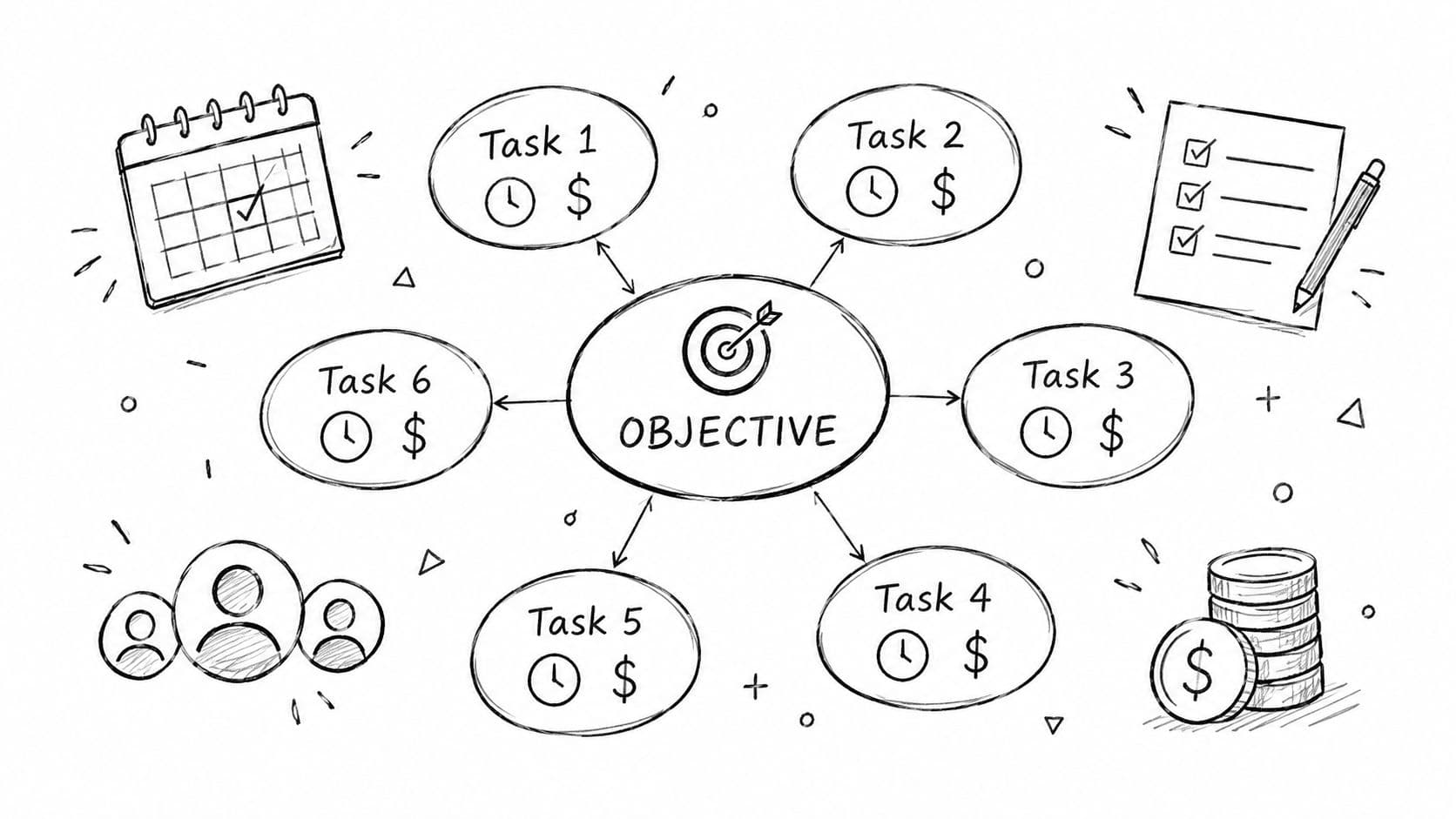
When you need a fast, logical ranking, score tasks on two factors:
- Impact/Value (1–5)
- Effort/Time (1–5)
Use a formula like Value ÷ Effort to calculate a priority score. High-impact, low-effort tasks rise to the top, giving you clear, actionable wins.
Comparing Prioritization Frameworks
| Framework | Best For | Key Principle | Example Use Case |
|---|---|---|---|
| Eisenhower Matrix | Daily or weekly planning for busy professionals | Separate tasks by urgency and importance | Choose between addressing a critical client issue or planning next quarter’s strategy |
| ABCDE Method | Daily to-do lists for individuals | Rank tasks by consequences of not doing them | Prioritize sending an invoice (A) over updating a portfolio (B) |
| MoSCoW Method | Project teams and product development | Categorize requirements to prevent scope creep | Decide login is Must, dark mode is Could |
| Priority Scoring | Long lists of varied tasks | Quantify impact versus effort | Score potential campaigns to pick the best ones |
You can mix these methods. Use MoSCoW for feature planning and the Eisenhower Matrix for your weekly focus. The point is clarity, not complexity.
Putting Your Framework Into Action With Fluidwave
A method on paper is just theory. The real test is whether you can weave it into daily work, and a tool like Fluidwave helps turn frameworks into practical systems. Instead of one long list, build your chosen framework into a digital workspace so prioritization becomes visual and automatic.
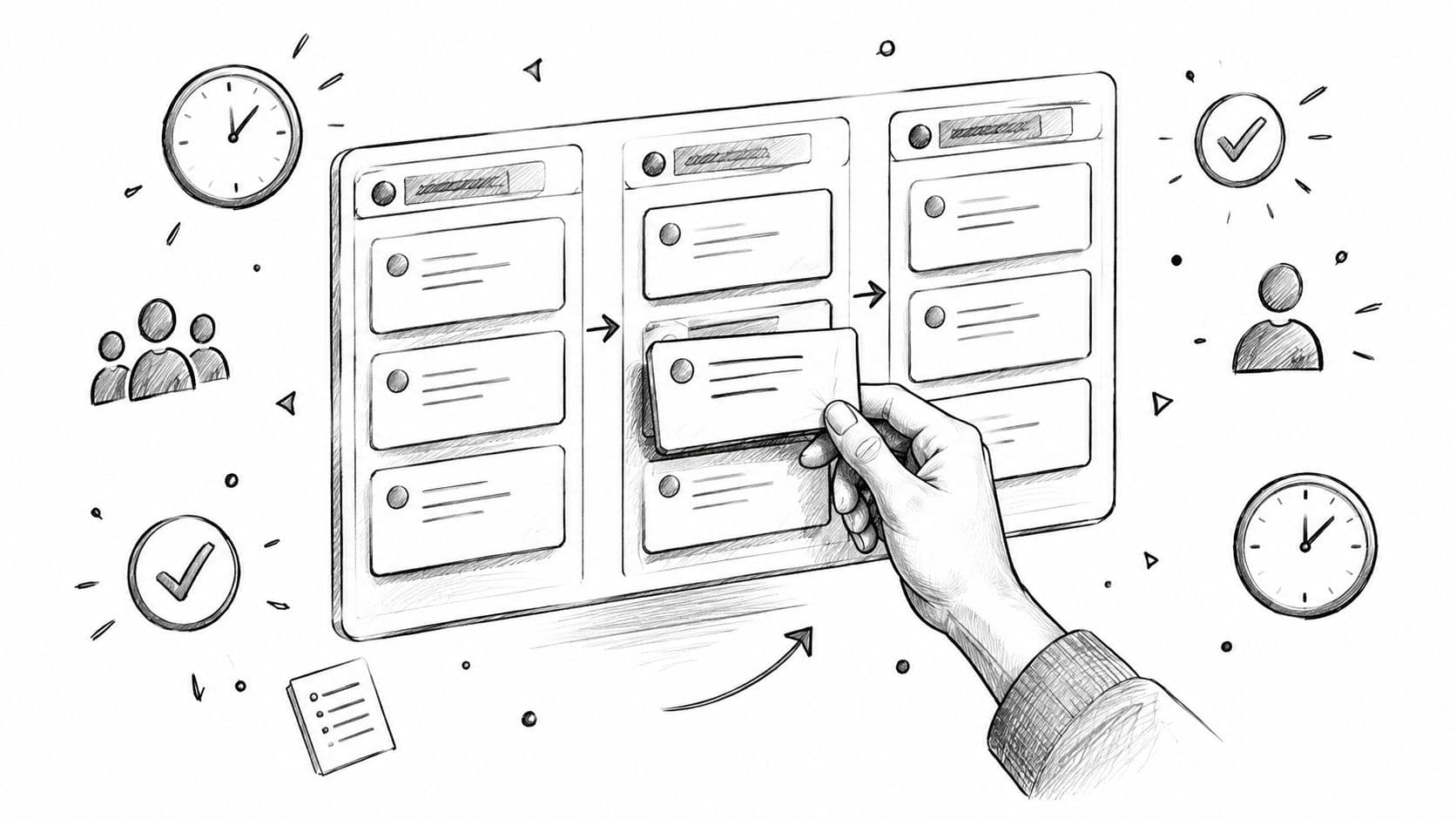
Building an Eisenhower Matrix on a Kanban Board
Create four columns on a new board labeled:
- Do First (Urgent & Important)
- Schedule (Important, Not Urgent)
- Delegate (Urgent, Not Important)
- Delete/Backlog (Not Urgent & Not Important)
Drag new tasks into the right column, add tags like "High Priority" or "Q3 Goal," and get instant clarity on where to focus.
Implementing the MoSCoW Method for Team Projects
Use custom fields or labels for Must, Should, Could, and Won’t. Tag every task so the whole team knows what’s essential. This prevents scope creep and keeps project work focused. See Fluidwave’s comparison of task tools for more context: https://fluidwave.com/blog/task-management-software-comparison.
Supercharging Prioritization With AI and Custom Views
AI can analyze due dates, goals, and your habits to suggest which tasks need attention, effectively automating parts of priority scoring. Custom views let you see the same project as a calendar, a Kanban board, or a filtered list of Must-Have items. That flexibility helps the system adapt to how you work.
Knowing When to Delegate, Automate, or Delete
Prioritization isn’t just ordering a list. The biggest gains come when you stop doing tasks that shouldn’t be done by you. Time is your most valuable resource, and the most effective people are experts at shedding tasks that don’t require their skills.

Identifying Tasks to Delegate
Delegate repetitive, low-value work, or tasks that require skills you don’t possess. These often sit in the Urgent but Not Important quadrant. Delegating administrative busywork frees you to focus on high-impact work. Learn effective delegation techniques at https://fluidwave.com/blog/delegate-tasks-effectively.
Spotting Opportunities for Automation
Automate repetitive, rule-based tasks such as standard follow-ups, routine reporting, or status updates. Automation removes friction and saves hours each week—knowledge workers spend a significant share of their day on administrative "work about work," much of which can be automated3.
The Power of Deleting Tasks
Before accepting a task, ask: Does this align with my goals? Will it matter in a week? What’s the worst outcome if it’s not done? Many tasks evaporate under that scrutiny. Deleting with intention prevents overwhelm before it starts.
Making Prioritization a Habit That Sticks
A system that’s hard to use won’t last. Build low-effort daily and weekly rituals that create momentum so prioritization becomes automatic.

The 15-Minute Daily Kickstart
Start your day with 15 focused minutes before email and notifications. During this time:
- Spotlight your top 1–3 must-do items.
- Time-block deep work for those priorities.
- Check for blockers and follow up to keep work moving.
This small ritual centers your day and protects high-value work.
The 30-Minute Weekly Reset
Set aside 30 minutes weekly to review progress and set priorities for the coming week. This connects daily tasks to long-term goals and prevents busy work from taking over. Teams that prioritize well are more likely to outperform peers, and strong prioritization is consistently cited as a critical factor for project success4.
Design your workspace to support deep focus and reduce distractions, so your prioritization habits can scale into a sustainable system.
Answering Your Biggest Prioritization Questions
Even with frameworks, real work is messy. The following guidance helps with common prioritization challenges.
What’s the Biggest Mistake People Make When Prioritizing?
The biggest mistake is confusing urgent tasks with important ones. Reacting to the urgent noise—emails, Slack pings, and small fires—creates the illusion of productivity while you neglect high-impact work. Tools like the Eisenhower Matrix force a pause and a conscious choice about what matters.
How Do I Handle Unexpected Tasks That Wreck My Plan?
Expect interruptions. Use the two-minute rule: if a task takes less than two minutes, do it immediately. If it takes longer, quickly evaluate where it fits in your framework, then schedule or delegate it. This keeps you in control rather than at the mercy of disruptions.
How Often Should I Revisit My Priorities?
Make priorities living things. Quick daily check-ins of 5–10 minutes identify the day’s top 1–3 priorities. A weekly review of 30–60 minutes lets you zoom out and align your tasks with bigger goals. This combination keeps you agile and focused.
Ready to stop reacting and start shaping your work? Fluidwave combines AI-powered task prioritization with on-demand human assistants to help you build a system that works. Start organizing your tasks at https://fluidwave.com.
Frequently Asked Questions
Q: Which prioritization method should I start with?
A: Begin with the Eisenhower Matrix for daily clarity. Pair it with ABCDE for day-to-day execution and use MoSCoW for team projects. Mix frameworks to suit the context.
Q: How can I protect time for deep work?
A: Time-block 60–90 minute focus sessions on your calendar for top priorities, and treat those blocks as non-negotiable. Use a 15-minute morning planning ritual to identify those blocks.
Q: When should I delegate or automate a task?
A: Delegate repetitive tasks that don’t need your expertise. Automate rule-based, recurring activities such as follow-ups or routine reporting. If a task doesn’t align with your goals, delete it.
Focus on What Matters.
Experience lightning-fast task management with AI-powered workflows. Our automation helps busy professionals save 4+ hours weekly.